Top Commercial Cleaning Brampton
Your operation needs regular sanitation protocols tailored to specific risks, processing volumes, allergen management, and regulatory visits, including auditable records confirming food safety measures, inspection compliance, and health department standards. The details below provide details about essential cleaning protocols.
Main Points
- Brampton food safety cleaning experts assist restaurants, grocery departments, commissaries, warehouses, bakeries, schools, mobile vendors, and allergen-sensitive operations.
- Cross-contamination reduction is accomplished by cleaning high-touch surfaces, food-contact equipment, kitchens, floors, drains, restrooms, and storage areas with zone-based workflows.
- Trained specialists check proper chemical concentration, compatibility, and contact time, then document conclusion with checks, assessments, and remedial documentation.
- Sound sanitation calendars factor in threat, throughput, switches, releases, and requirements when assigning everyday, weekly, and seasonal duties by location.
- Prioritize suppliers exhibiting HACCP, health regulatory knowledge, WHMIS training, insurance, testimonials, colour-coded equipment, and assessment-ready hygiene documentation.
Which Brampton Operations Need Food Safety Cleaning?
Any Brampton facility that processes, stores, prepares, packages, or distributes food needs food safety cleaning. You must implement it if your business falls under health inspection, premises standards, or HACCP protocols. That requirement covers food service venues, employee cafes, supply centers, retail departments, meat shops, fish areas, local stores, and institutional food prep areas.
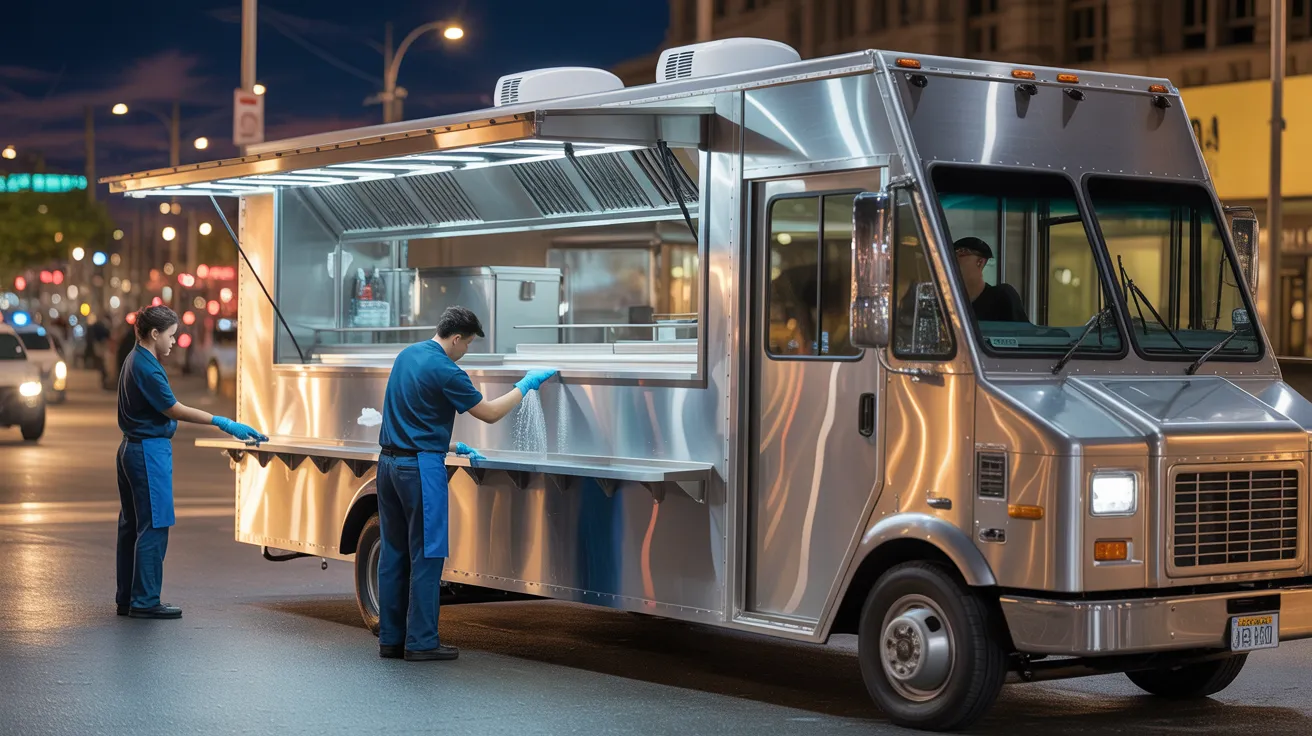
Adherent sanitation standards continues to be essential in warehouses, food manufacturing plants, cold storage sites, retail bakeries, school nutrition programs, banquet halls, and meal delivery hubs. Temporary mobile establishments count too, including catering trucks, festival vendors, and pop-up food booths. Your facility needs recorded sanitation procedures if your workers prepare supplies, portion finished foods, reheat dishes, or organize allergen inventory. In Brampton, sanitation remains not voluntary; it comprises regulatory, business, and safety compliance.
What Do Brampton Cleaning Experts Clean?
You need cleaning experts who sanitize high-touch surfaces, kitchens, floors, and restrooms to comply with food safety and health regulations. They focus on these spaces because they present the highest risk for contamination spread, slipping risks, and sanitation breaches.
By knowing exactly what gets cleaned, you are able to confirm your facility's cleaning procedures meet compliance standards.
High-Touch Surface Sterilization
establish a sanitizing plan
sample collection to validate sterilization effectiveness
Kitchen Areas, Floor Surfaces, and Bathroom Spaces
Expect Brampton cleaning experts to focus on kitchens, floors, and restrooms because each area carries unique foodborne illness prevention, slip-and-fall, and public health risks. In industrial kitchens, you need grease removal from cooking stations, appliance surfaces, drain systems, preparation areas, and backsplashes to minimize contamination and pest pressure.
Professional floor upkeep with documentation is also included. is likewise provided as part of the service.
In restrooms, cleaners treat contact surfaces, bathroom hardware, partition walls, accessory dispensers, and receptacles then refill supplies and eliminate odor. They also service restaurant moprooms, where chemical storage, sink hygiene, and drainage conditions can affect sanitation compliance and staff safety daily.
Why Food Safety Cleaning Matters in Brampton
Brampton operations require food-safe cleaning standards to meet health code requirements and pass audits. You also reduce bacterial spread through proper cleaning of food-preparation surfaces, appliances, and frequently-touched items. Most importantly, you help protect public health by lowering the risk of foodborne illness in your facility.
Food Safety Regulations
Brampton food businesses must comply with strict public health standards, so sanitation practices is key to adhering to health codes, ensuring the safety of customers, and sidestepping penalties. You must maintain clean food preparation areas, recorded sanitation plans, proper chemical use, and auditable operational standards that meet municipal and provincial inspection expectations.
Robust sanitation supports allergen management by minimizing residue on shared equipment plus regularly touched locations. If your cleaning standards deteriorate, you encounter notices, compliance orders, reputational damage, and operational interruptions during additional reviews or regulatory actions.
Cross-Contamination Prevention
Adhering to health code standards requires your expertise in stopping cross-contamination throughout routine preparation and sanitation work. You need to separate raw ingredients from ready-to-eat foods, sanitize work stations after each task, and keep chemicals away from food-contact items. Organized systems minimize contamination events and ensure consistent compliance during inspections.
Building allergen isolation prevents priority allergens from contacting common workstations, storage, or apparatus. Utilize dedicated cutting boards, color-coded tools, and strict utensil labeling so staff don't mix items during preparation or service.Mandate hand cleaning following uncooked meats, shellfish, egg items, or allergen substances. Refresh cleaning cloths frequently, and confirm disinfectant efficacy using test strips. When your team follows these practices each shift, you create a cleaner, safer operation that meets Brampton's food safety expectations daily.
Public Health Assurance
If proper sanitation declines, you don't merely risk a failed inspection—you boost the probability of foodborne illness harming customers, staff, and the broader Brampton region. You also undermine your responsibility in protecting public health, especially in busy food facilities where pathogens travel quickly through surfaces, equipment, and touchpoints.
You need cleaning protocols that remove soils, sanitize correctly, and verify results. That requires adhering to exposure periods, employing authorized sanitizers, recording cleaning times, and training staff to meet health-unit expectations. These measures facilitate disease prevention by reducing pathogens before they reach food or hands. In Brampton, strong sanitation shields at-risk groups, prevents disease spread, and enables you to show proper care. When you clean to standard, you don't just meet regulations—you actively reduce risk and promote secure food handling throughout the region.
How Can Cleaning Practices Ensure Food Safety Compliance?
Embracing thorough cleaning protocols secures food safety compliance by decreasing contamination threats, limiting pathogen development, and positioning your facility in accordance with sanitation requirements under HACCP-based programs and public health regulations. You ensure that contact surfaces stay visibly clean and microbiologically controlled, facilitating documented preventive controls and inspection readiness.
Cleaning programs additionally bolster allergen prevention by extracting residues that can lead to undeclared allergen exposure.
When Do You Plan Commercial Cleaning?
spill incidents, and following-maintenance work
Establish every week or every month maintenance on drains, vents, storage racks, and hard-to-reach equipment zones, guided by inspection data and sanitation documentation. Dedicate seasonal read now thorough cleaning for shutdowns, weather-related soil buildup, or pest-pressure periods
How Do You Choose Brampton Cleaning Experts?
Start by screening providers against food sanitation standards, not price alone. You should verify that each company understands CFIA, public health, and HACCP-aligned expectations relevant to your facility. Ask for proof of insurance, WHMIS compliance, documented staff training, and supervision practices. Review whether technicians understand cross-contamination risks, chemical handling, and traceable sanitation records.
You should further examine service consistency and answerability. Request testimonials from Brampton food businesses, then review reply speed, corrective-action procedures, and communication protocols. Validate the company facilitates supplier audits and can supply compliance documentation to regulators or external parties. Confirm equipment is maintained, colour-coded tools are used appropriately, and site-specific hazards are identified. A experienced service protects compliance, product integrity, and your brand reputation.
What does a Food Safety Cleaning Plan encompass?
Put together a written program that establishes every sanitation duty, standard, and accountability before production begins. You should specify cleaning intervals, permitted substances, dilution percentages, exposure times, instruments, and inspection methods for each zone, surface, and piece of equipment. Add pre-operational inspections, corrective actions, and employee training requirements.
Your framework should also cover cross-contamination prevention, waste disposal, pest management measures, and scheduled documentation for bathrooms, drainage, ground surfaces, and food-handling zones. Specify how you'll separate raw and ready-to-eat processes, help with ingredient tracking, and copyright accurate allergen labeling through validated cleaning between product changes. You should define accountability, maintain signed records, and check results against regulatory standards, HACCP controls, and customer requirements. When gaps appear, adjust procedures immediately and re-educate staff.
Popular Asked Inquiries
Can cleaning services support nighttime operations in Brampton facilities?
If you operate controlled facilities, you'll also need documentation that enable audits and maintain compliance.
Are hazard containment services available from Brampton cleaning experts?
Yes, you can discover many Brampton cleaning professionals providing hazard containment options. They handle hazardous incidents, evaluate risks, contain affected zones, and begin swift decontamination to reduce risk and prevent business disruption. You should confirm timeframes, certifications, PPE measures, and disposal methods. If your facility must meet compliance standards, pick a provider that documents events, adheres to standards, and ensures audit compliance.
Do plant-based disinfectants work safely on food preparation areas?
Definitely, green disinfectants function safely on food-handling equipment if you buy products labeled food safe that satisfy regulatory standards. You must confirm exposure duration, concentration levels, and rinsing needs prior to application. Natural-based solutions decrease chemical burden, but you must have proof of efficacy against target microorganisms. To ensure residue free surfaces, implement exact manufacturer guidelines and verify your cleaning agent complies with food sanitation requirements.
Do cleaning plans permit seasonal shifts?
Certainly, maintenance plans adapt to seasonal variations readily. Revise intervals, staffing, cleaning agents, and testing procedures to fit with production rhythms while upholding regulatory adherence. Minimize equipment downtime by organizing disinfection alongside changeovers, high demand periods, and equipment use patterns. Also revise procedural documents, staff education, and environmental monitoring to reflect periodic risks, novel allergens, or higher contamination levels. Ongoing evaluations keep the schedule current.
Are professional cleaning companies providing staff training on hygiene protocols?
Certainly, professional cleaning experts train your staff on hygiene protocols. You obtain staff training on proper chemical use, processing times, contamination control, equipment disassembly, and documentation procedures. They generally coordinate instruction with HACCP, GMP, and CFIA or regional health bodies requirements. Many also run health assessments to check standards, uncover shortcomings, and reinforce corrective actions. This enables you to copyright standard processes, pass inspections, and minimize foodborne pathogen risks daily.
Summary
Partnering with Brampton commercial cleaning and food safety professionals means more than cleaning—it guarantees your operation meets inspection standards and your protocols remain compliant. From processing facilities to kitchens, each cleaned area and maintained corner lessens contamination risk and avoids costly disruptions. By arranging service at suitable frequencies and implementing a thorough cleaning program, you protect staff, your customers, and your reputation. In a heavily regulated sector, clean environments can't be overlooked—they're vital to proper management.